PREMIUM ORGANIC HEMP PROTEIN MANUFACTURER
Organic Hemp Protein Powder: Complete Plant Protein Power
Cold-pressed from premium organic hemp seeds. Rich in complete plant protein with all 9 essential amino acids, Omega-3 & Omega-6, and vital minerals. Available in 70%, 75%, and 80% protein grades for food, beverage, and supplement manufacturers.
70-80%
Protein Content Grades
9
Essential Amino Acids
25kg+
Bulk Order Minimum
100%
Organic & Cold-Pressed
What Is Hemp Protein Powder?
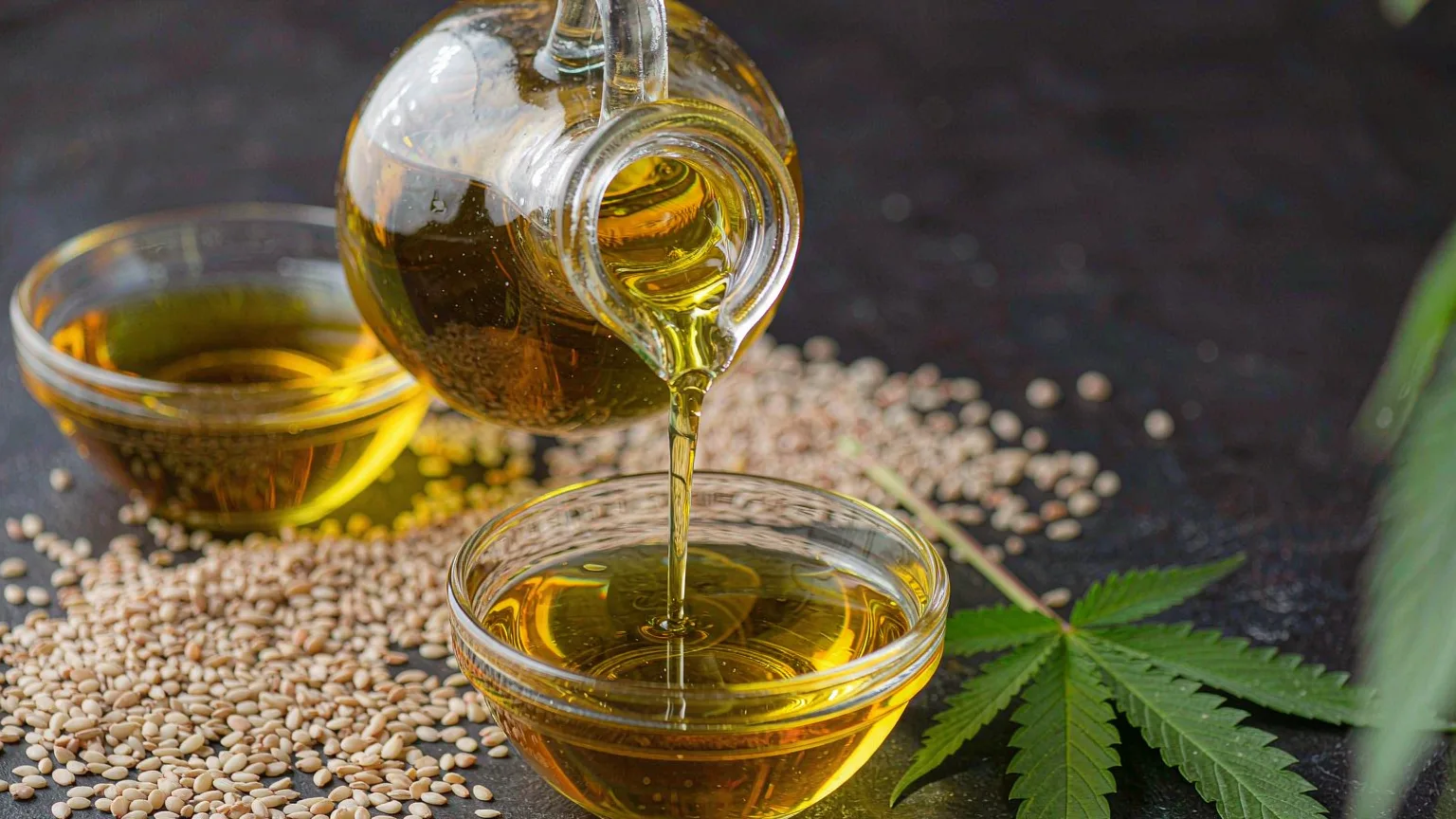
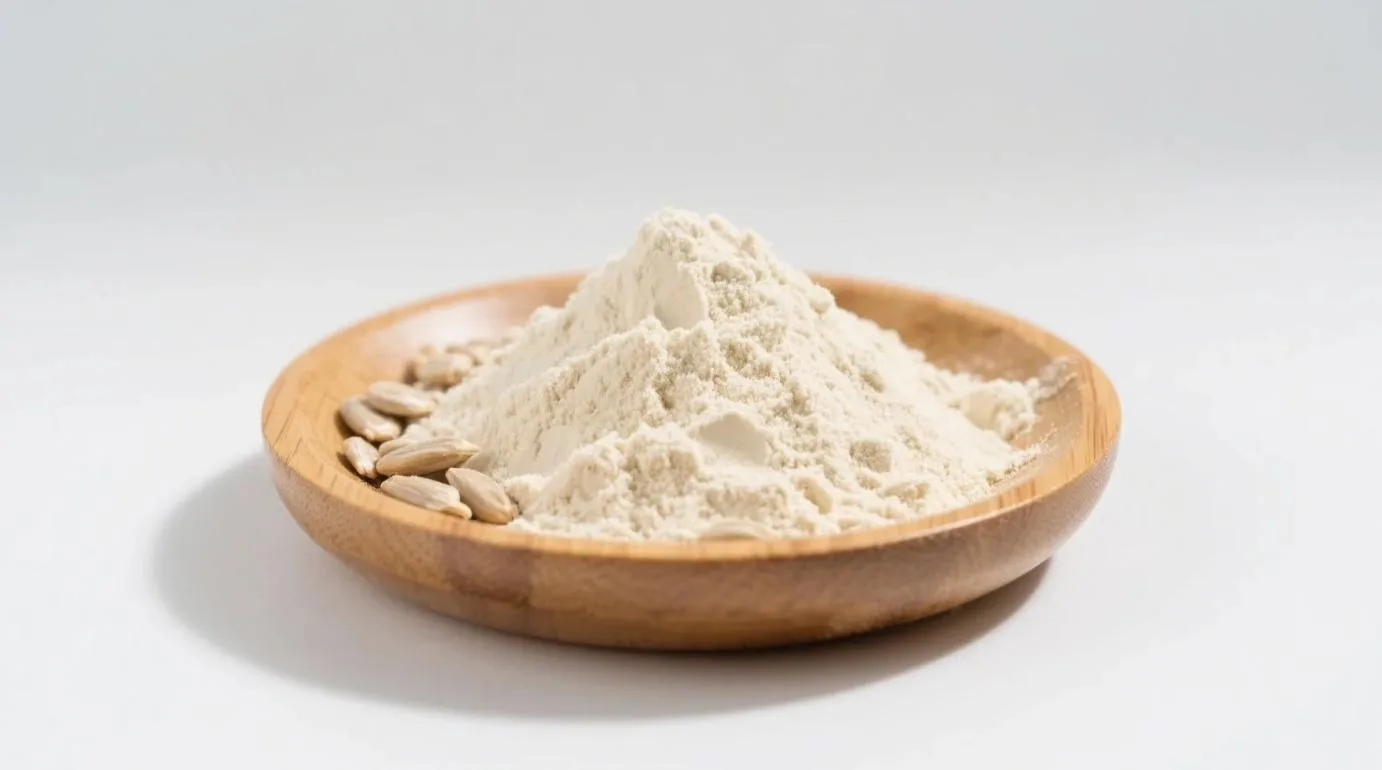
Hemp protein powder is a nutrient-dense plant protein made by cold-pressing organic hemp seeds to remove the oil, then milling the remaining protein-rich meal into a fine powder. It is one of the most complete plant proteins available. Also commonly referred to as hemp seed protein, this ingredient is produced by cold-pressing hemp seeds to remove the oil, then milling the remaining seed cake into a fine, protein-rich powder.
A Complete Plant Protein
Hemp protein is widely regarded as one of the most complete plant proteins, containing all 9 essential amino acids including branched-chain amino acids (BCAAs) for muscle recovery. It is particularly rich in edestin and albumin — two highly digestible storage proteins.
Unlike soy protein, hemp protein is naturally free of phytic acid and trypsin inhibitors, meaning its protein is highly bioavailable and easily digestible. It also retains beneficial Omega-3 and Omega-6 fatty acids and dietary fiber.
- Complete protein with all 9 essential amino acids
- Rich in BCAAs (leucine, isoleucine, valine)
- High in arginine
- Naturally cholesterol-free & gluten-free
- No THC, no CBD — purely nutritional
Hemp Seed Protein vs. Other Plant Proteins
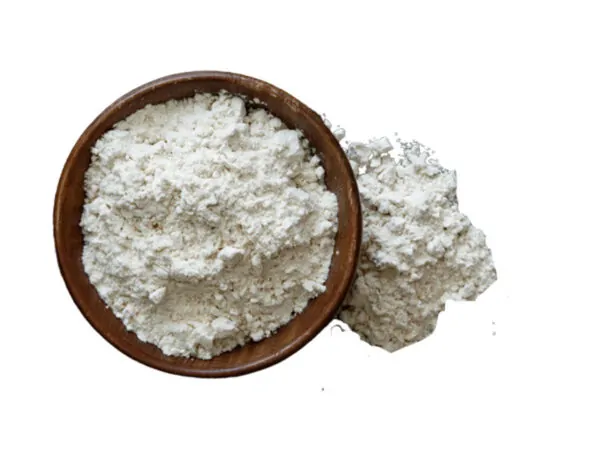
When formulating plant-based protein products, manufacturers often compare hemp seed protein against pea protein, soy protein, and rice protein. Each source offers distinct advantages in amino acid profile, digestibility, flavor, and functionality. Understanding these differences helps product developers select the right protein or create optimal blends.
| Protein Source | Protein Content | Complete Protein? | Key Advantage | Consideration |
| Hemp Seed Protein | 50-80% | Yes (9 EAAs) | Edestin-rich, easy digest, GLA & fiber | Earthy flavor, lower lysine |
| Pea Protein | 70-85% | Nearly complete | High lysine, hypoallergenic, neutral | Lower methionine, gritty texture |
| Soy Protein | 80-90% | Yes | Low cost, high functionality, complete | Allergen concerns, GMO, phytoestrogens |
| Rice Protein | 70-80% | No (low lysine) | Hypoallergenic, mild flavor, easy mix | Incomplete protein, lower digestibility |
Hemp seed protein stands out for its unique edestin protein content — a highly digestible globulin protein that closely resembles human plasma protein. Combined with naturally occurring GLA (gamma-linolenic acid), dietary fiber, and a balanced omega-3 to omega-6 ratio, hemp seed protein offers nutritional benefits that other plant proteins cannot match. For formulations requiring a complete amino acid profile, hemp seed protein can be blended with pea protein to compensate for lysine levels while retaining hemp’s unique nutritional advantages.
Hemp Protein Grades: 70%, 75%, 80%
We offer three protein concentration grades, each suited for different applications. Higher protein content means less fiber and fat, making it ideal for supplement and beverage formulations.
70% Protein Grade
Balanced nutrition, highest fiber
- Protein: ~70% (dry basis)
- Fat: ~10-12%
- Fiber: ~10-12%
- Flavor: Nutty, earthy
- Color: Light green-tan
- Best For: Food, bakery, snacks
75% Protein Grade
Versatile all-purpose grade
- Protein: ~75% (dry basis)
- Fat: ~8-10%
- Fiber: ~7-9%
- Flavor: Mildly nutty
- Color: Light tan
- Best For: Supplements, blends, beverages
80% Protein Grade
Maximum protein concentration
- Protein: ~80% (dry basis)
- Fat: ~5-7%
- Fiber: ~4-6%
- Flavor: Very mild, neutral
- Color: Pale cream
- Best For: Protein powders, RTD, sports nutrition
| Property | 70% Grade | 75% Grade | 80% Grade |
|---|---|---|---|
| Protein Content (dry) | ~70% | ~75% | ~80% |
| Fat Content | ~10-12% | ~8-10% | ~5-7% |
| Dietary Fiber | ~10-12% | ~7-9% | ~4-6% |
| Moisture | <8% | <8% | <8% |
| Particle Size | 80-100 mesh | 100-120 mesh | 120-150 mesh |
| Typical Shelf Life | 18 months | 18 months | 18-24 months |
Hulled vs. Dehulled Hemp Seed Protein: Processing Matters
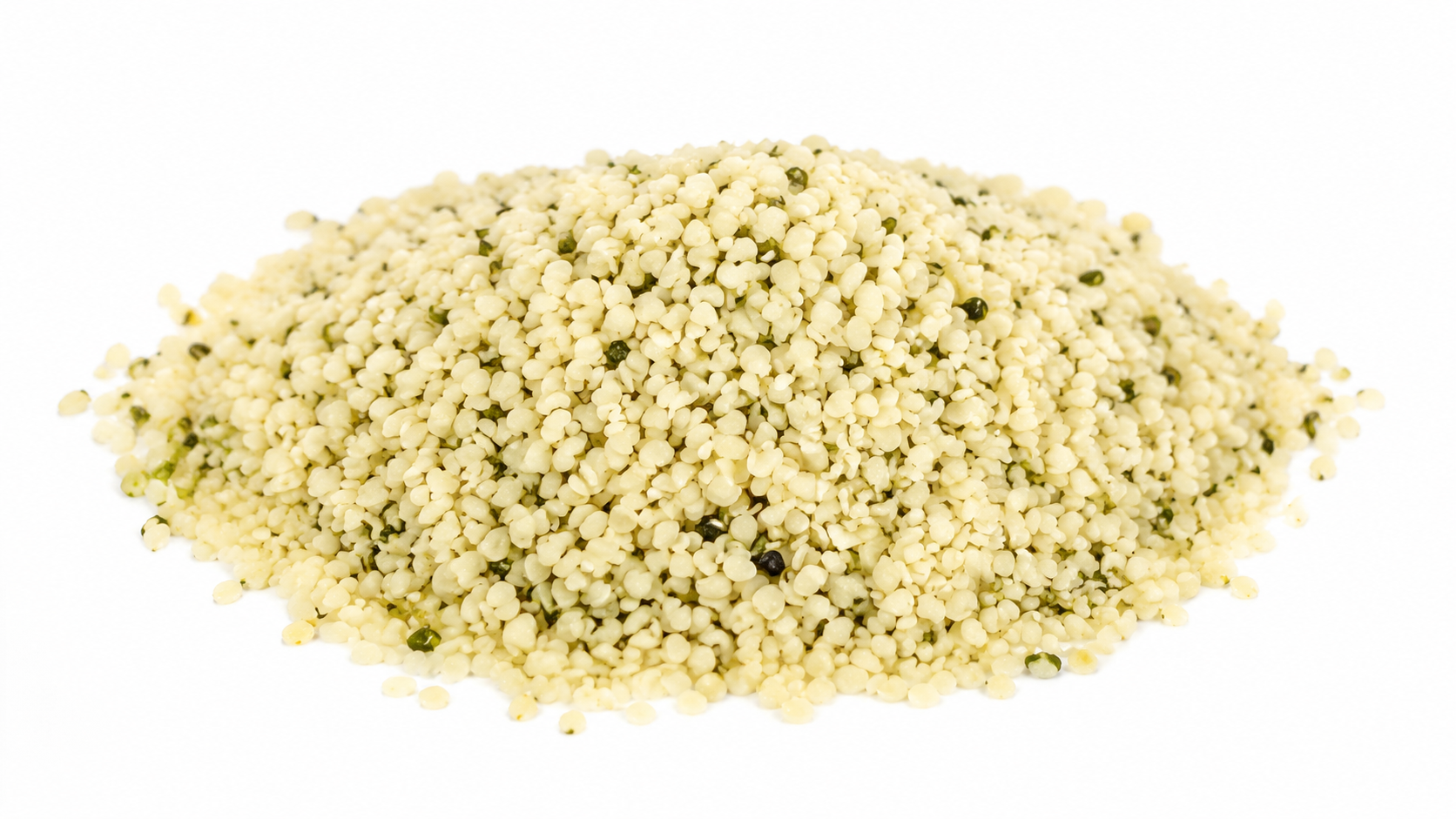
The terms “hulled hemp seed protein” and “dehulled hemp seed protein” describe the same product — protein powder made from hemp seeds after the outer hull has been removed. The dehulling (or hulling) process is a critical first step that significantly impacts the final protein content, color, flavor, and nutritional profile of the finished powder.
Why Dehulling Matters
The outer hemp seed hull is primarily composed of insoluble fiber and chlorophyll, which contributes to the green color and earthy flavor of whole hemp seed products. By removing the hull before oil extraction and milling, manufacturers produce a dehulled hemp seed protein with higher protein concentration (up to 80%), lighter color, milder flavor, and smoother texture compared to protein made from whole seeds.
Quality Indicators
When sourcing hulled hemp seed protein, look for: protein content of 70%, 75%, or 80% (indicating effective dehulling); pale green to tan color (excessively dark powder suggests incomplete hull removal); minimal gritty texture; and low hull fragment content. Premium suppliers use mechanical dehulling with air classification to achieve precise separation, ensuring consistent protein content batch after batch.
Nutritional Profile
Hemp protein’s unique nutritional composition makes it one of the most valuable plant proteins available.
Complete Protein
9 EAAs
Contains all 9 essential amino acids, including branched-chain amino acids (BCAAs) for muscle recovery.
Rich in Fiber
~10%
Naturally high in dietary fiber.
GLA Content
~2-4%
One of the few plant proteins containing Gamma-Linolenic Acid, a rare Omega-6.
Omega-3 (ALA)
~2%
Alpha-Linolenic Acid (ALA). ALA contributes to the maintenance of normal blood cholesterol levels. The beneficial effect is obtained with a daily intake of 2 g of ALA.
Omega-6 (LA)
~10%
Linoleic Acid, the most abundant fatty acid.
Minerals & Vitamins
10+
Naturally rich in iron, magnesium, zinc, phosphorus, and vitamin E for overall nutritional support.
The Perfect Amino Acid Profile
Hemp protein is widely regarded as having one of the most complete amino acid profiles of any plant protein. Its high concentration of branched-chain amino acids (BCAAs) — leucine, isoleucine, and valine — are critical for muscle protein synthesis and recovery.
It also contains significant amounts of arginine, an amino acid. Unlike soy protein, hemp protein is naturally free of phytic acid and trypsin inhibitors, meaning its protein is highly bioavailable and easily digestible.
Amino Acid Profile (per 100g)
- Leucine (BCAA)~5.2g
- Lysine~4.1g
- Arginine~8.5g
- Valine (BCAA)~3.8g
- Isoleucine (BCAA)~3.2g
- Phenylalanine~3.5g
- Threonine~3.0g
- Methionine~1.8g
- Tryptophan~1.2g
- Histidine~2.1g
Industry Applications
Hemp protein’s versatility makes it suitable across multiple industries. Here are the primary application areas for B2B buyers.
Sports & Fitness Nutrition
The complete amino acid profile and high BCAA content make hemp protein ideal for post-workout recovery and muscle building products.
- Protein powders & blends
- Pre/post workout formulas
- Muscle recovery drinks
- Meal replacement shakes
Food & Beverage
Naturally mild flavor and high nutritional value make hemp protein a versatile ingredient for functional food products and beverages.
- Protein bars & snacks
- Bakery & baked goods
- Plant-based meat alternatives
- Smoothie & beverage fortification
Dietary Supplements
Rich in essential amino acids, fiber, and minerals, hemp protein is a premium ingredient for nutritional supplement formulations.
- Nutritional supplements
- Protein capsules & tablets
- Green superfood blends
- Fibre-fortified formulas
Plant-Based Foods
As a complete protein source, hemp protein is an excellent ingredient for plant-based meat, cheese, and yogurt alternatives.
- Plant-based meat alternatives
- Vegan cheese & yogurt
- Meatless burger patties
- Plant-based dressings
Pet & Animal Nutrition
Hemp protein’s balanced amino acid profile and high digestibility make it a nutritious addition to pet foods and supplements.
- Dog & cat food toppers
- Pet treat formulations
- Pet coat & skin supplements
- Horse feed & supplements
Cosmetics & Personal Care
The nourishing fatty acids and protein in hemp can be incorporated into natural skincare and hair care products.
- Natural skincare products
- Hair care & treatments
- Body butters & lotions
- Natural soap formulations
How to Choose Quality Hemp Protein
Not all hemp protein is created equal. Here’s what to look for when selecting a supplier for your business.
Verify Protein Content
Confirm actual protein content on a dry basis. A COA should state protein, fat, fiber, ash, and moisture precisely.
Check Amino Acid Profile
Request a COA showing complete amino acid profile, especially BCAA content (leucine, isoleucine, valine).
Choose the Right Grade
70% for food and bakery; 75% for supplements and blends; 80% for protein powders and sports nutrition.
Review Certifications
Look for organic certification (EU/USDA), non-GMO verification, and food-grade safety certifications.
Evaluate Processing Method
Cold-pressed or low-temperature processing preserves amino acids. Avoid solvent-extracted products with chemical residues.
Confirm Traceability
Choose a direct manufacturer with transparent sourcing, batch tracking, and consistent supply capacity.
Explore Our Hemp Protein Products
From standard hemp protein to advanced hemp peptide, find the right protein format for your application.
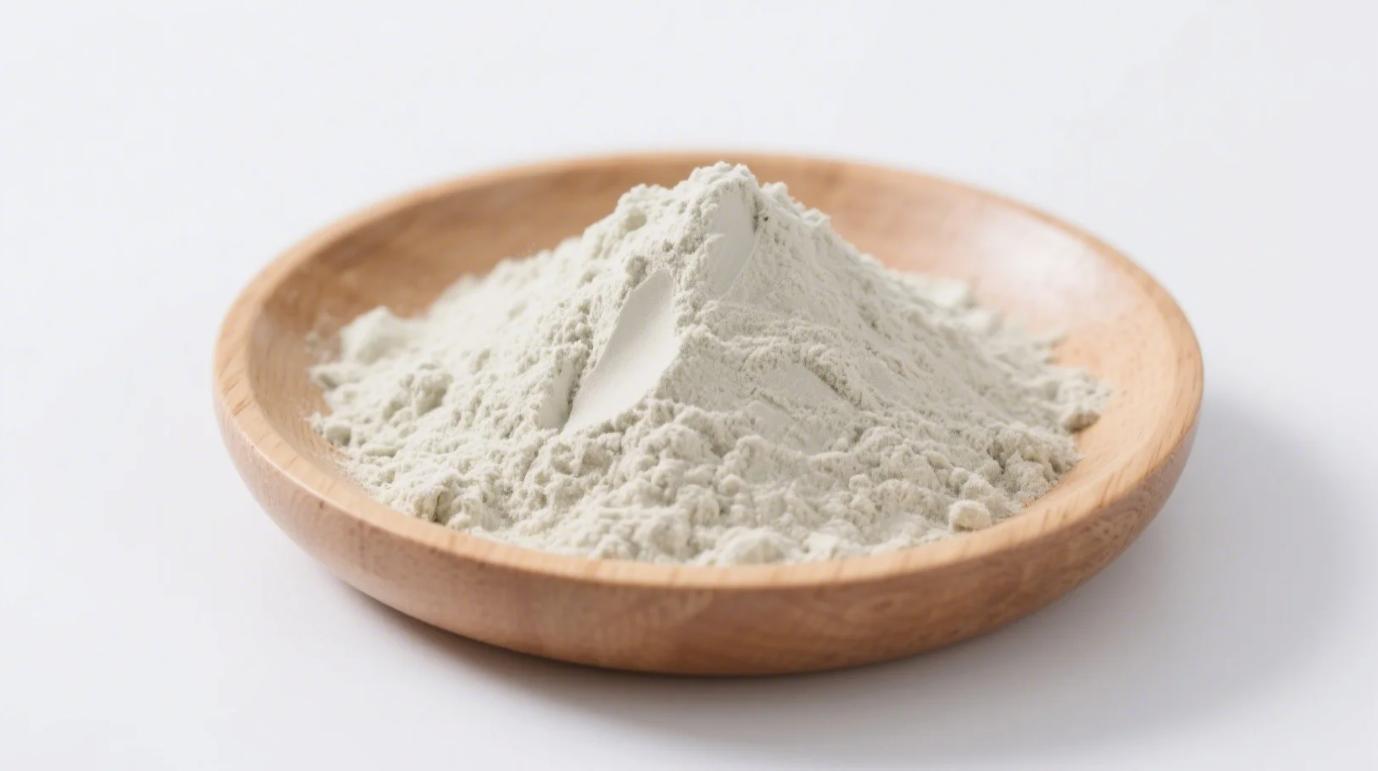
Organic Hemp Seed Protein Powder
Cold-pressed organic hemp protein with complete amino acid profile. Available in 70%, 75%, and 80% protein grades.
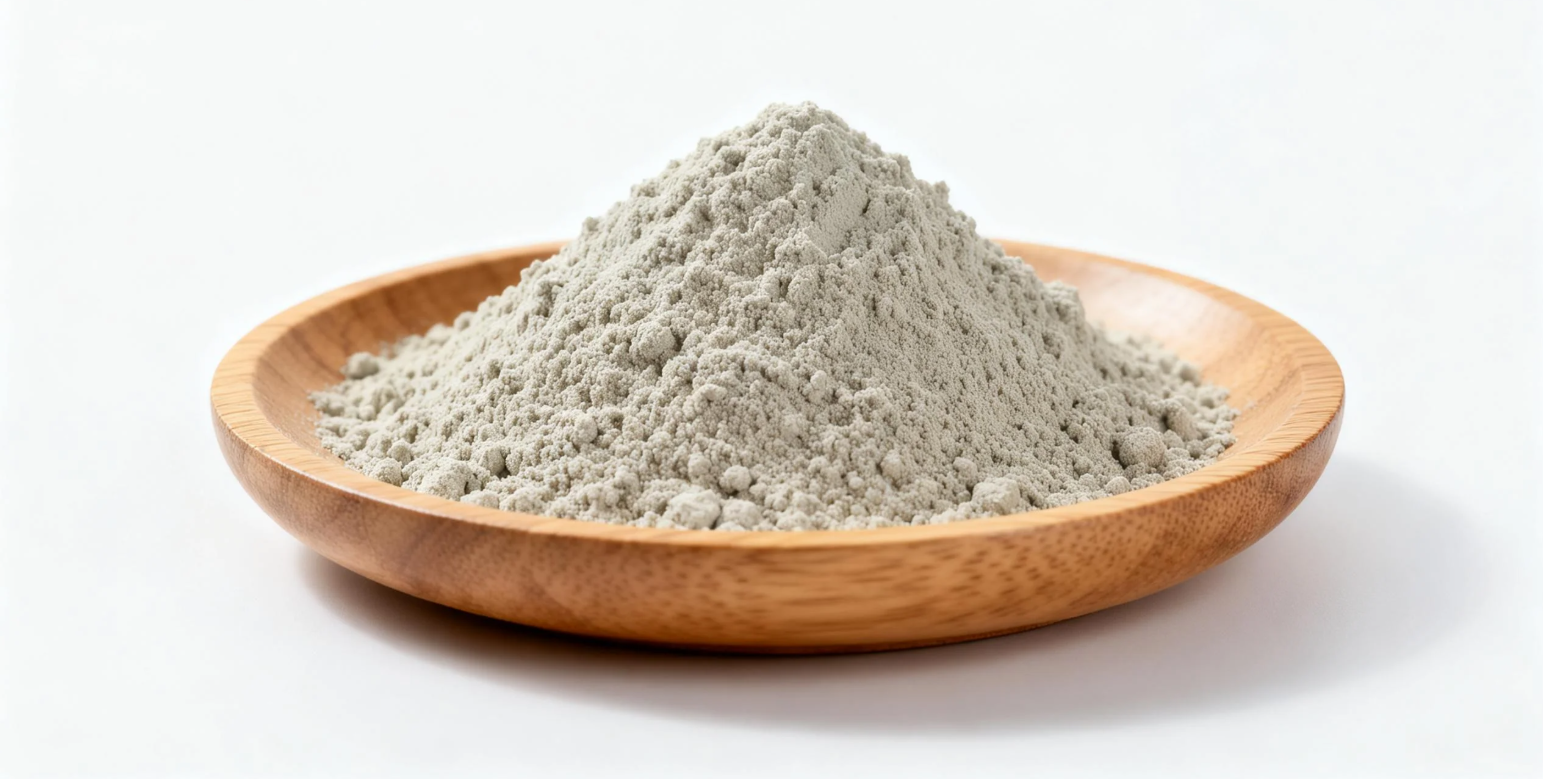
Organic Hemp Peptide Powder
Enzymatically hydrolyzed hemp protein with smaller peptide chains for faster absorption. Ideal for premium supplements and beverages.
Bulk & Wholesale Hemp Protein
As a direct manufacturer, we offer competitive bulk pricing for food, beverage, and supplement companies. Custom packaging, private label, and contract manufacturing available.
- Direct from factory
- Organic certified
- Custom packaging
- Private label
- Global shipping
- Sample available
Bulk Specifications
- Minimum Order: 25 kg
- Protein Grades: 70% / 75% / 80%
- Typical Packaging: 5kg / 10kg / 25kg bags
- Bulk Packaging: 500kg / 1000kg sacks
- Lead Time: 7-14 business days
- Certifications: EU Organic, USDA
- Shelf Life: 18-24 months
- Shipping: FOB / CIF / DDP
Frequently Asked Questions
What is the difference between hemp protein and hemp seed protein?
There is no meaningful difference — “hemp protein” and “hemp seed protein” are interchangeable terms for the same ingredient: protein powder made from the oil cake of pressed hemp seeds. The term “hemp seed protein” is more precise because it clarifies that the protein comes from the seed (not the leaf, stem, or other parts of the plant). Both terms describe the same complete plant protein rich in edestin, albumin, essential amino acids, fiber, and healthy fats.
Is dehulled hemp seed protein better than whole seed protein?
Dehulled hemp seed protein generally offers higher protein content (70-80% vs. 50-60% for whole seed), lighter color, milder flavor, and smoother texture because the fibrous outer hull has been removed. However, whole seed protein retains more dietary fiber and chlorophyll from the hull. The choice depends on the application: dehulled protein is preferred for protein powders, bars, and beverages where high protein content and clean flavor matter; whole seed protein may be suitable for products where added fiber is desirable.
Is hemp protein a complete protein?
Yes, hemp protein contains all 9 essential amino acids that the human body cannot produce on its own. It is particularly rich in edestin and albumin — two highly digestible storage proteins. While hemp protein is not as concentrated in protein as whey or soy isolate, it provides a more balanced nutritional profile with healthy fats, fiber, and minerals alongside the protein.
What is the difference between 70%, 75%, and 80% hemp protein?
The percentage refers to the protein content on a dry basis. 70% grade retains more natural fiber and fat, making it ideal for food and bakery applications. 75% grade is a versatile all-purpose option for supplements and blends. 80% grade has the highest protein concentration with minimal fat and fiber, making it best for protein powders, RTD beverages, and sports nutrition where maximum protein per serving is desired.
Does hemp protein contain THC or CBD?
No. Hemp protein is made from the seeds of the hemp plant and contains no THC or CBD. It is purely a nutritional food ingredient rich in protein, essential fatty acids, and minerals. Hemp seeds are legally classified as an agricultural commodity and contain only trace amounts (below 0.3%) of cannabinoids, which are primarily found in the flowers and leaves, not the seeds. Our products are tested and certified to be THC-free.
How is hemp protein powder made?
Hemp protein powder is made by mechanically cold-pressing organic hemp seeds to extract the oil, then milling the remaining protein-rich meal into a fine powder. Our process uses low-temperature, mechanical methods — no chemical solvents — which preserves the amino acid profile and keeps the protein highly digestible. The protein concentration can be adjusted through additional processing to achieve 70%, 75%, or 80% protein grades.
What is the shelf life of hemp protein powder?
Hemp protein powder has a shelf life of approximately 18-24 months when stored properly in a cool, dry place, away from direct sunlight and moisture. Because it contains residual unsaturated fats, proper storage is important to prevent oxidation. Our foil-lined, nitrogen-flushed packaging helps preserve freshness. Once opened, store in an airtight container in a cool, dry place and use within 3-6 months for optimal quality.
What is the minimum order quantity for bulk orders?
Our minimum order quantity for bulk hemp protein powder is 25 kg. We offer flexible packaging options including 5kg, 10kg, and 25kg foil-lined bags, as well as 500kg and 1000kg bulk sacks. For orders of 1 metric ton or more, we provide competitive volume pricing and customized logistics. Contact our sales team for a detailed quote based on your specific requirements, including protein grade, packaging, and delivery destination.
Deepen Your Knowledge
Expert guides on hemp protein nutrition, amino acids, applications, and sourcing — everything you need to know about this complete plant protein.
Hemp Protein: The Complete Guide to Nutrition, Benefits & Applications
A comprehensive breakdown of hemp protein nutritional profile, amino acid composition, health benefits, and industrial applications.
Hemp Protein vs. Pea Protein vs. Soy Protein: Plant Protein Comparison
An evidence-based comparison of the three most popular plant proteins across amino acid profile, digestibility, flavor, and cost.
Hemp Protein Amino Acid Profile: Why It’s a Complete Plant Protein
A deep dive into hemp protein’s amino acid composition, including BCAAs, edestin, albumin, and why it’s considered a complete protein.